Joshua Witts was in Nottingham when rival groups clashed in Old Market Square
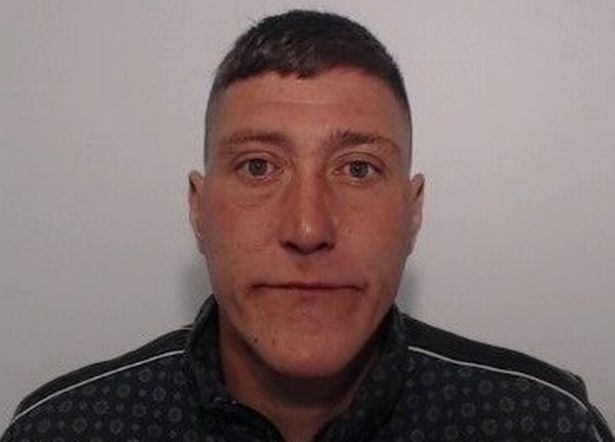
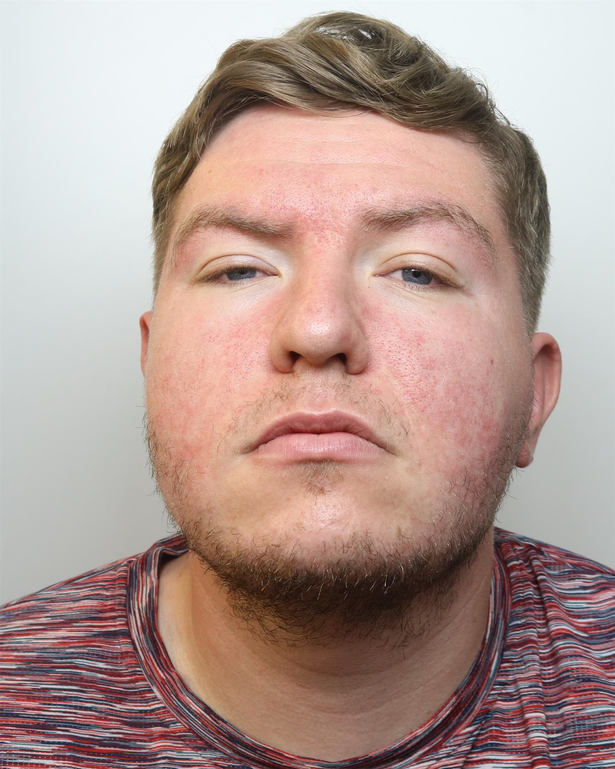
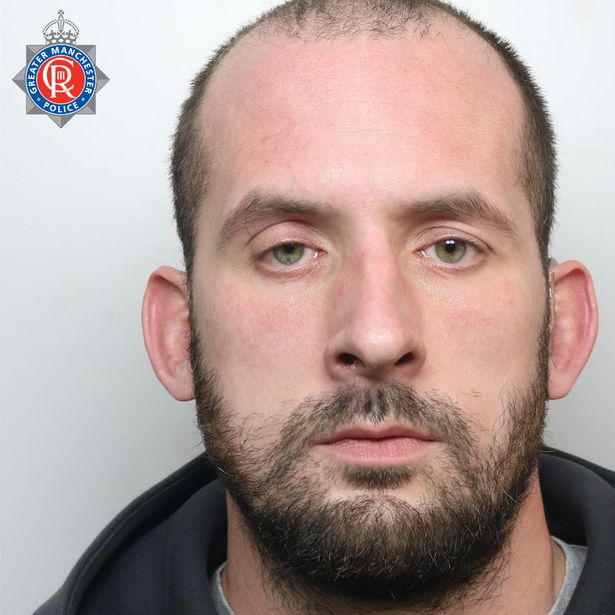
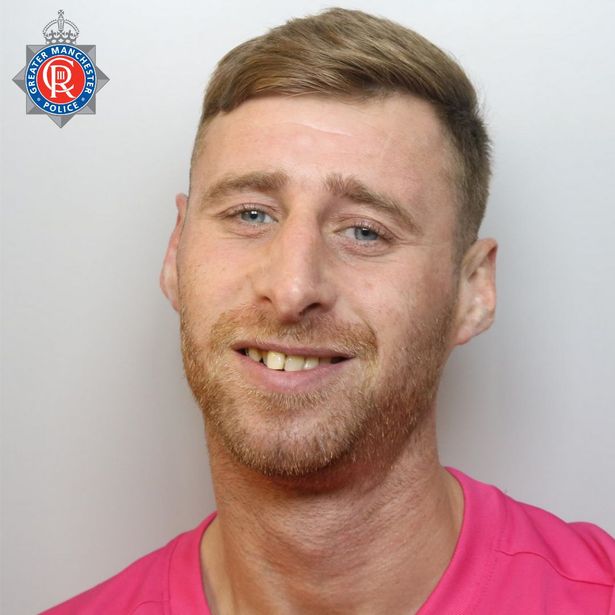
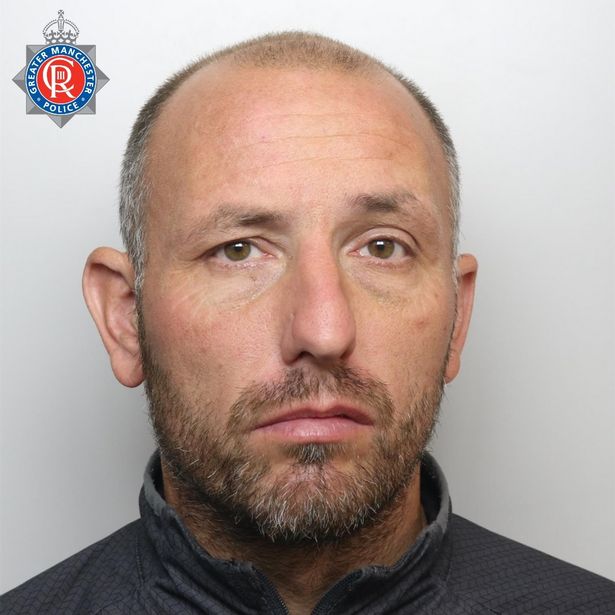
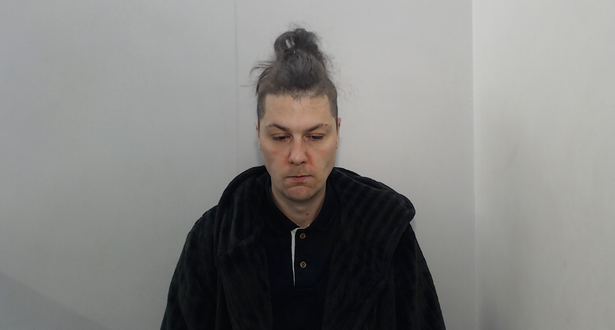
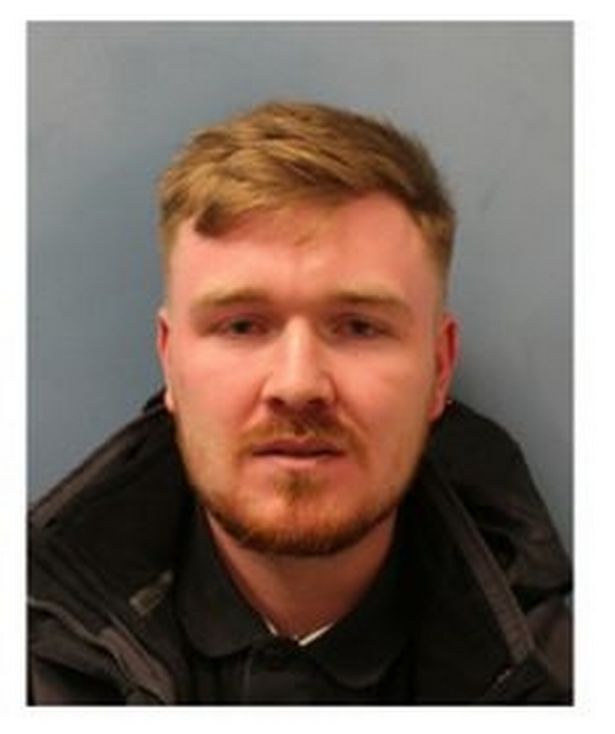
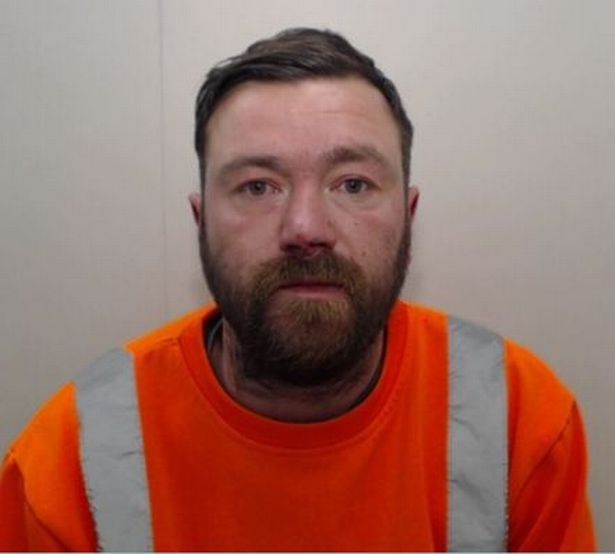
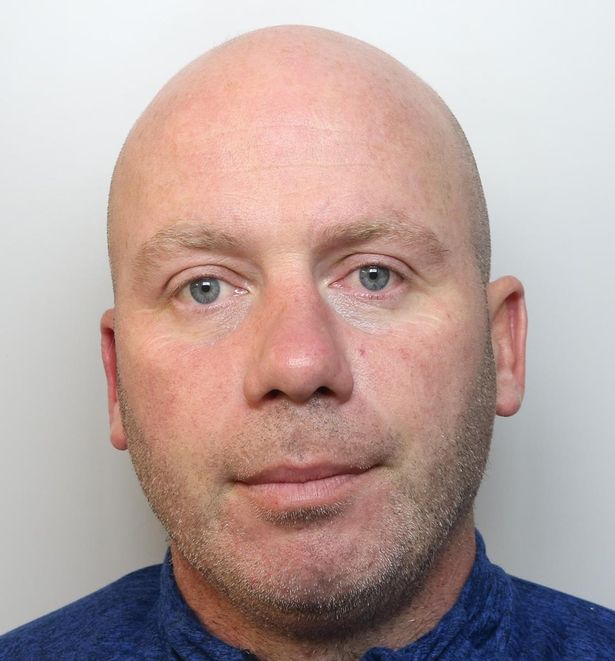
The latest protester to appear in court following a face-off between rival groups in Nottingham’s Old Market Square is also a convicted burglar. Joshua Witts was one of eight people arrested and charged when far-right supporters congregated in Old Market Square and were met by a counter-protest near the Brian Clough statue on Saturday, August 3.
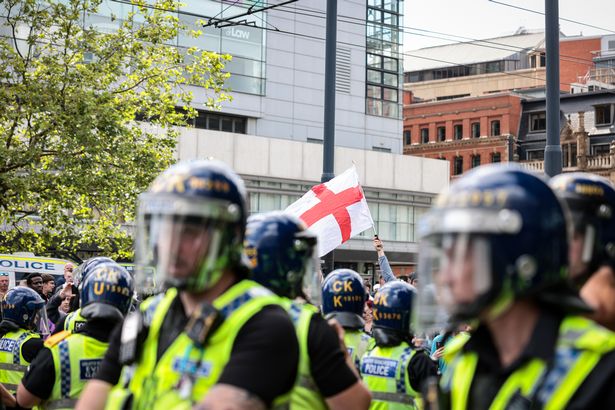
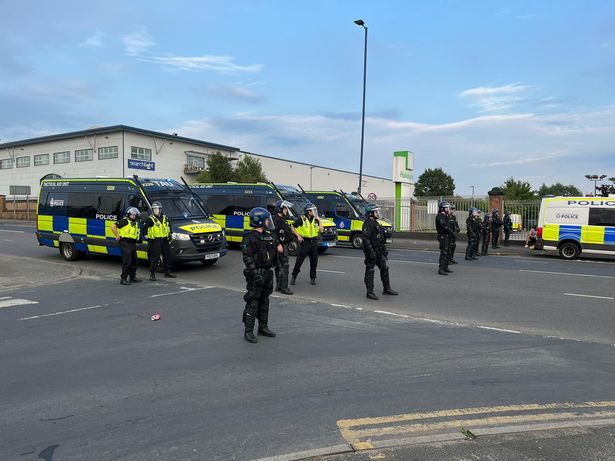
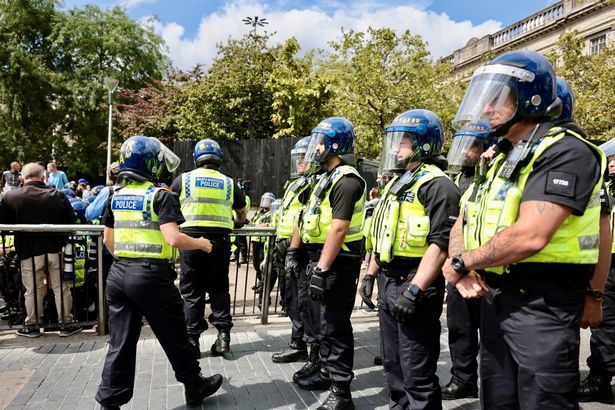
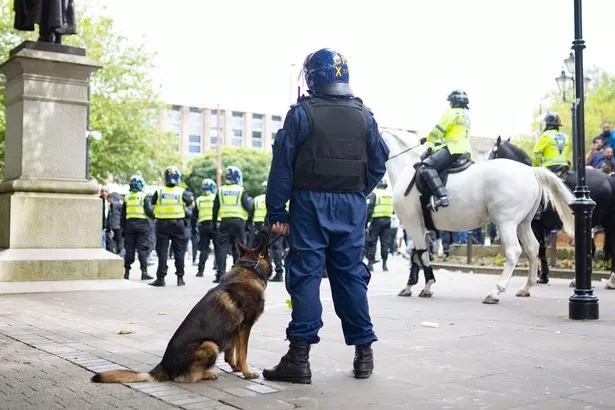
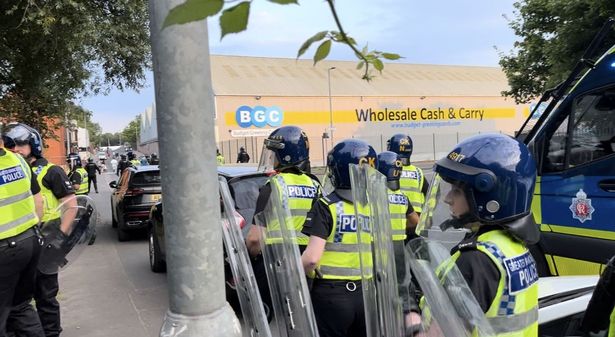
During the Nottingham incident, disorder threatened to boil over as the two opposing groups were separated by Nottinghamshire Police . Today, Tuesday, August 20, the 36-year-old, of Long Eaton, pleaded guilty to a public order offence in relation to the incident when he appeared from custody at Nottingham Magistrates’ Court.
But Sanjay Jerath, prosecuting, said Witts is also due to be sentenced at Southern Derbyshire Magistrates’ Court next week for burgling a property in Station Road, Sandiacre, on February 22, this year.
He said the defendant, of Firs Street, has already pleaded guilty to that charge and a pre-sentence report has been prepared ahead of a sentencing hearing in Derby on the afternoon of August 27.
Therefore, District Judge Sunil Khanna adjourned all matters to be heard in front of District Judge Andrew Meachin next week and remanded him into custody until then.
Previously, Victoria Gray, 42, of High Lane East, West Hallam, has been sentenced for her part in the disorder. After being arrested she shouted a series of racist and homophobic comments and then spat on one of the officers arresting her. The court was told she had also been in possession of pepper spray, which is illegal to carry in a public space.
Gray pleaded guilty to all five charges and was given a six-month prison sentence, suspended for 12 months and ordered to attend 15 days of rehabilitation activity. She was also fined £200 for the racially aggravated harassment, an increase from £100 as it was identified as a hate crime.
Another protester, Kevin Musgrave, 37, also of High Lane East, West Hallam, was handed a 12-week suspended prison sentence and 100 hours of unpaid work after pleading guilty to assaulting an emergency worker and criminal damage.
The remaining people charged following the protests in Nottingham are:
Antony Chadwick, 36, of Nuthall Road, Leen Valley, Nottingham – charged under Section 4 of the Public Order Act 1986
Ibrahim Omar, 24, of Glapton Road, The Meadows, Nottingham – charged with possession of a Class B drug
Dominic Lane, 46, of Repton Road, Bulwell – charged under Section 4 of the Public Order Act 1986
Owen Lawrence, aged 18, of no fixed address. Charged under Section 4 of the Public Order Act 1986
Mervin Lewis, aged 40, of Oughton Close, Edwalton. Charged under Section 4 of the Public Order Act 1986
In a previous statement following the disturbances, Deputy Chief Constable Steve Cooper said: “The vast majority of the public who attended carried out their right to protest in a peaceful manner. Those who were intent on causing problems were dealt with robustly.
“It should be repeated that anyone who comes into the city or our neighbourhoods over the coming days to cause any kind of disorder can expect a robust response from us. It simply won’t be tolerated.”
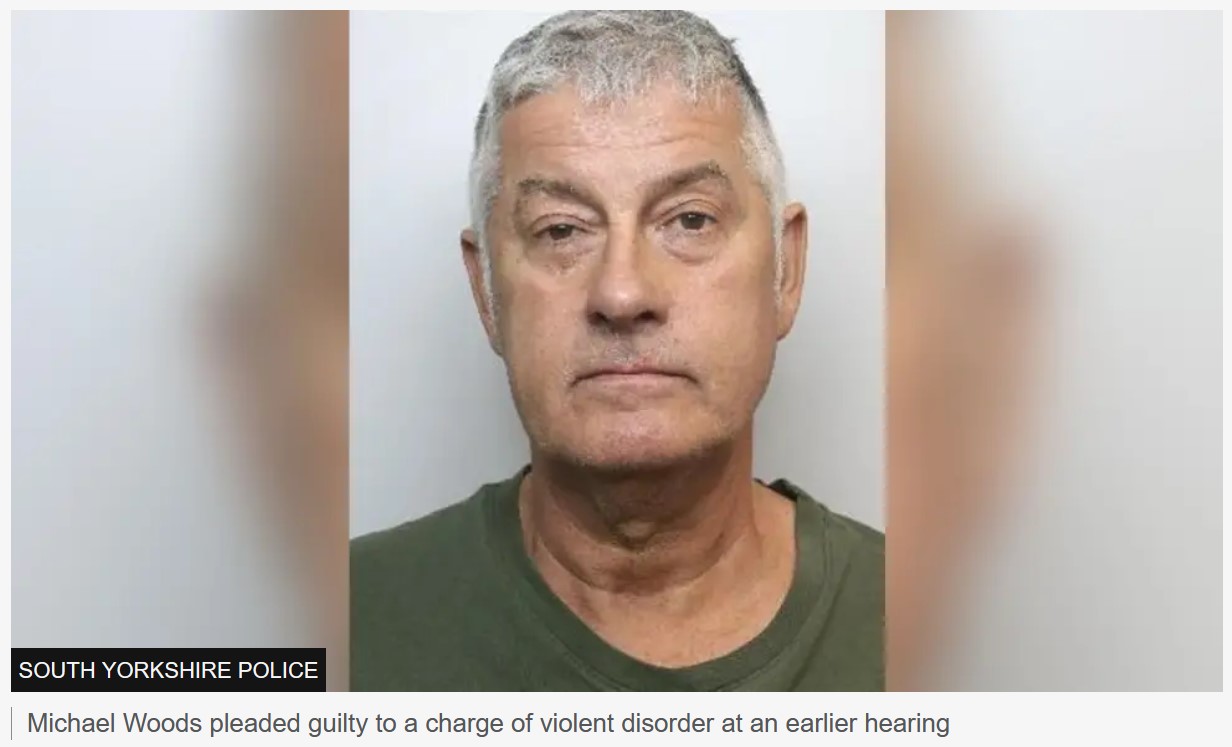
A man who threatened to use a dog to attack police officers outside a South Yorkshire hotel during rioting has been jailed for two years.
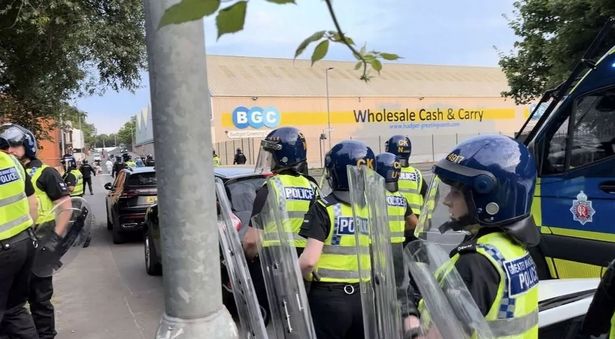
Large-scale disorder saw more than 60 police officers left injured when the Holiday Inn Express in Manvers, Rotherham, was attacked on 4 August.
Michael Woods, 64, was captured on body-worn video telling police the animal would “get you” if the officers hit him with their batons, Sheffield Crown Court heard.
Woods, of Ainsdale Avenue, Goldthorpe, previously pleaded guilty to a charge of violent disorder.
During a short video played to the court, Woods is seen shouting at officers while standing next to a man with a dog.
The officers are standing in front of the hotel during the footage, with some of the building’s windows pictured broken.
More than 200 asylum seekers and about 25 members of staff were inside the hotel at the time.
“Police were trying to bring the increasingly hostile crowds under control,” prosecutors told the court.
During the footage, Woods tells an officer: “I live here mate, go back to where you’ve come from.
“We live here, have some respect for English people young man, you are a disgrace to society.”
“You hit me, it gets you,” he adds, referring to the dog.
There was no physical violence from the defendant, his defence barrister told the hearing.
Addressing Woods, The Recorder of Sheffield, Judge Jeremy Richardson KC, said: “I cannot ignore the fact you were part of the larger group indulging in this major civil disorder.”
“It was ignorant – it was not only offensive, it was also threatening in the midst of major public disorder.”
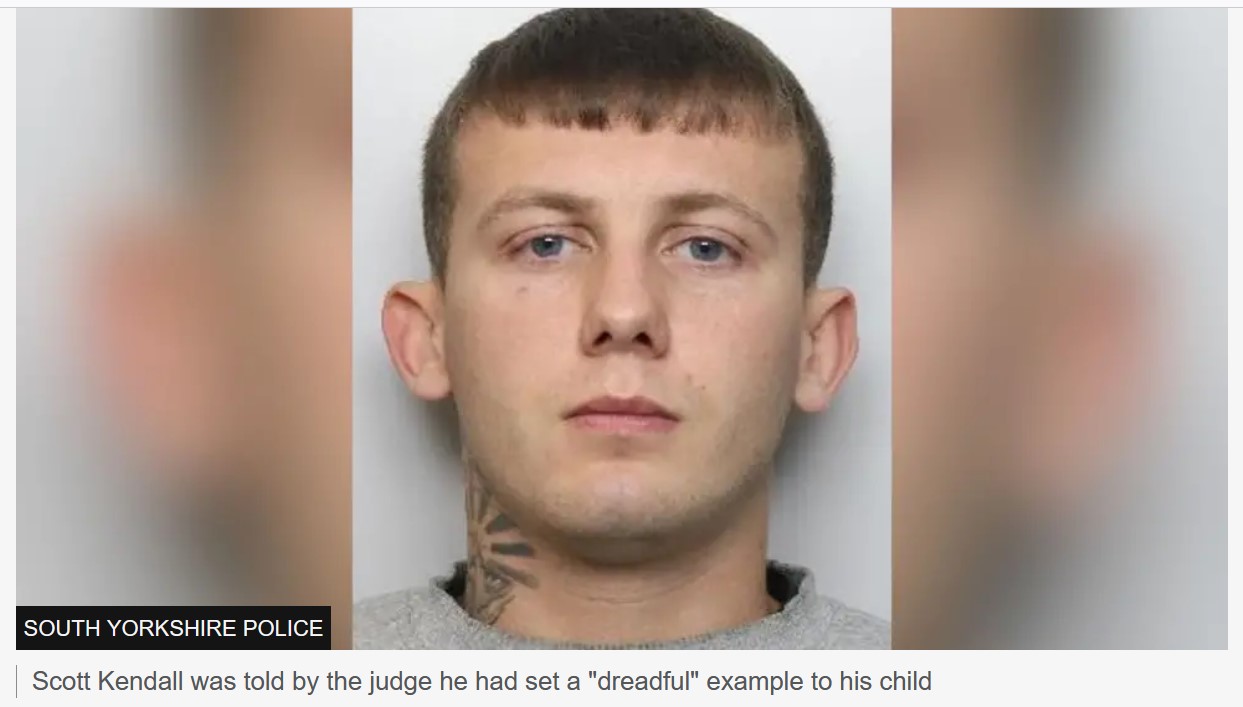
A second man, 24-year-old Scott Kendall, was also sentenced to two years in prison after admitting violent disorder.
The father-of-one, of Sandymount Road, Wath-upon-Dearne, was filmed throwing a bottle towards police officers while they protected themselves with riot shields.
References sent to the court from his employer described him as a “much liked” member of a plastering company, the court heard.
The judge asked Kendall’s barrister: “What on Earth is a young man like this doing?”
“He’s thrown away his good character,” the barrister replied.
Addressing Kendall, the judge added: “What a dreadful example you are to [his son].”
A man has been jailed for violent disorder during a riot over the summer.
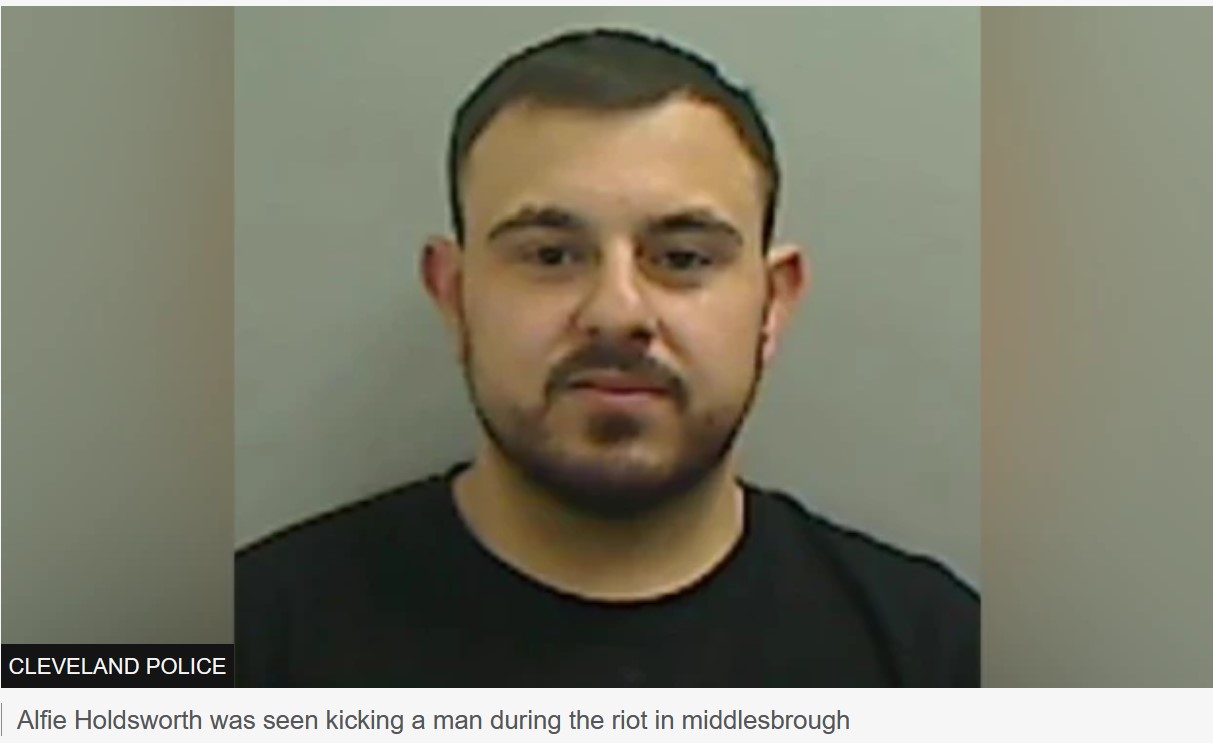
Alfie Holdsworth, 20, from Gateshead, was sentenced to 14 months in prison at Teesside Crown Court.
Cleveland Police said he had been seen kicking a lone victim twice while he was on the ground, during a night of disorder in Middlesbrough on 4 August.
The unrest had spread from an afternoon protest at the town’s cenotaph, and was described by officers at the time as “staggering”.
Large scale disorder broke out across the country after three young children were killed in Southport
They were days that will live in infamy in Greater Manchester’s history. Division and chaos reigned.
The deaths of three young girls in Southport led to a wave of disorder throughout the UK, and Manchester did not avoid such trouble. Wholly inaccurate claims about the identity and ethnicity of the alleged attacker spread online.
Fuelled by anger and inspired by disinformation, thugs took to the streets intent on causing trouble. Disorder erupted outside a hotel housing asylum seekers in Newton Heath, on July 31, after a Facebook post swirled that afternoon.
“Let’s get them out,” it menacingly declared. Missiles were thrown towards the building, a bus was attacked and its driver injured, and asylum seekers, vulnerable individuals seeking help, were terrorised.
The far-right sought to capitalise on the division and called a demonstration for Manchester city centre on Saturday, August 3. The incident soon turned violent. Shocking video footage emerged of a lone black man being attacked by a baying mob.
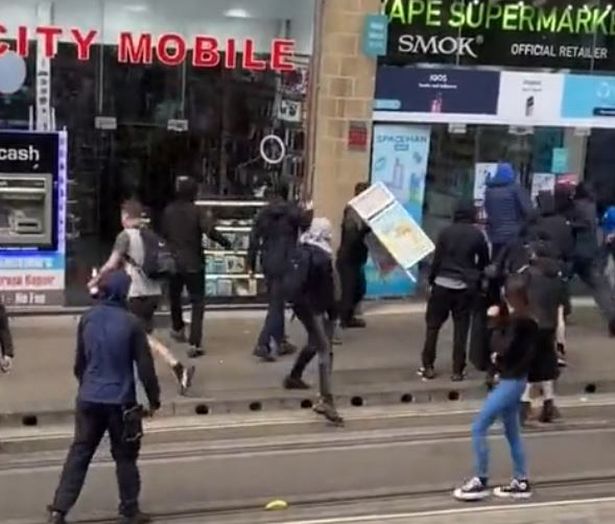
Thugs then advanced down Mosley Street and stormed a Sainsbury’s store as innocent customers tried to shop. A vape store came under heavy attack, as yobs kicked its windows with a road sign being launched at it.
The following day, the trouble moved to Bolton. Another demonstration had been called by the far-right, with counter-protestors also present. Missiles were thrown as police dealt with mass disorder. Ever since, police have been tracking down and charging rioters.
Over the past three months, dozens of yobs have felt the full force of the law as their cases were speedily brought through the courts. The M.E.N. has extensively covered the ensuing court cases, and have now analysed the sentences handed down since August.
Of those in the dock, 39 were men, six were women and seven were children, the youngest being a 12-year-old boy. Jail sentences totalling more than 80 years have been handed down. The longest single jail sentence was imposed on a ‘violent racist’ for his part in a disgraceful attack in Piccadilly Gardens.
In chronological order from August until this month, here are the 52 rioters who faced justice.
1) James Nelson
James Nelson (Image: GMP)
Nelson, 18, of Victoria Road, Horwich, Bolton, pleaded guilty to violent disorder in Bolton town centre on August 4. Sentenced to two months in prison on August 6 and ordered to pay £4,999 compensation at Manchester Magistrates Court.
Edge, 34, of no fixed address. Pleaded guilty to possessing an offensive weapon in Bolton town centre on August 4. Sentenced to 12 months in prison on August 13 at Bolton Crown Court.
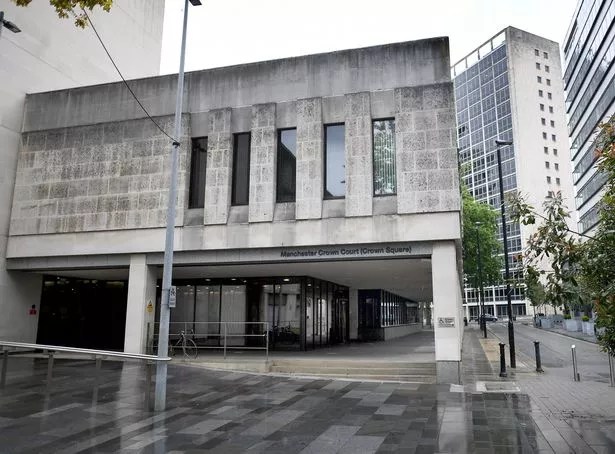
Smith, 21, of Keynsham Road, Newton Heath. Pleaded guilty to violent disorder in Newton Heath on July 31. Sentenced to two years and 10 months on August 15 at Manchester Crown Court.
Ley, 30, of Hardman Street, Stockport. Pleaded guilty to violent disorder in Piccadilly Gardens on August 3. Sentenced to three years and two months on August 15 at Manchester Crown Court.
Chapman, 23, of Duke Street, Radcliffe. Pleaded guilty to violent disorder in Piccadilly Gardens on August 3. Sentenced to 20 months on August 15 at Manchester Crown Court.
Hanslip, 33, of Central Avenue, Shipley, West Yorkshire. Pleaded guilty to violent disorder in Piccadilly Gardens on August 3. Sentenced to two years and two months on August 16 at Manchester Crown Court.
Demulder, 36, of Birch Lane, Longsight. Pleaded guilty to violent disorder in Piccadilly Gardens on August 3. Sentenced to two years and eight months on August 16 at Manchester Crown Court.
Kelly, 24, of Woodford Road, Failsworth. Pleaded guilty to violent disorder in Piccadilly Gardens on August 3. Sentenced to two years and five months on August 16 at Manchester Crown Court.
Livesey, 31, of Moorfield Avenue, Denton. Pleaded guilty to violent disorder in Piccadilly Gardens on August 3 and breaching a suspended sentence. Sentenced to four years and two months, comprising of 32 months for the violent disorder, and a further 18 months for being in breach of a suspended sentence, on August 16 at Manchester Crown Court.
Parker, 26, of Douglas Street, Salford, pleaded guilty to violent disorder in Newton Heath on July 31. Sentenced to 26 months in prison on August 19 at Manchester Crown Court.
Ward, 35, of Colliery Street, Openshaw, pleaded guilty to violent disorder in Piccadilly Gardens on August 3 and exposure. Sentenced to 32 months in prison on August 20 at Manchester Crown Court.
Brookes, 42, of Frogmore Avenue, Hyde, pleaded guilty to violent disorder in Piccadilly Gardens on August 3. Sentenced to 20 months in prison on August 20 at Manchester Crown Court.
Freeman, 25, of Timson Street, Failsworth, pleaded guilty to violent disorder in Newton Heath on July 31. Sentenced to two years and two months in prison on August 21 at Manchester Crown Court
Warren Gilchrest (Image: Greater Manchester Police)
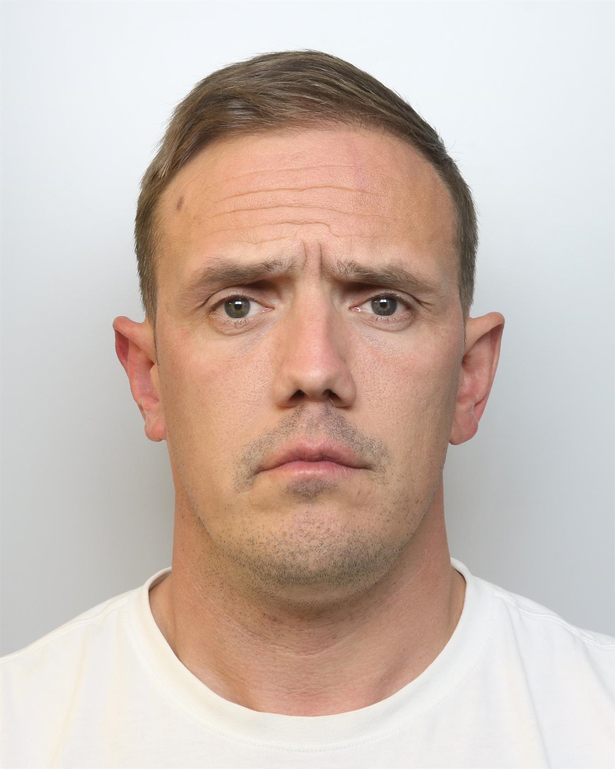
Gilchrest, 52, of North Road, Clayton, pleaded guilty to violent disorder in Piccadilly Gardens on August 3. Sentenced to three years in prison on August 21 at Manchester Crown Court.
Upton, 54, of Bailey Lane, Wythenshawe. Pleaded guilty to violent disorder in Piccadilly Gardens on August 3. Sentenced to 14 months in prison on August 22 at Manchester Crown Court.
Ryan, 55, of Collin Avenue, Gorton, Pleaded guilty to violent disorder in Piccadilly Gardens on August 3. Sentenced to 14 months in prison, suspended for two years on August 27 at Manchester Crown Court.
Bridgeford, 50, of Canon Street, Salford. Pleaded guilty to violent disorder in Piccadilly Gardens on August 3. Sentenced to one year and eight months in prison on August 27 at Manchester Crown Court.
Charnock, 31, of Edward Street, Farnworth, Bolton, pleaded guilty to violent disorder in Bolton town centre on August 4. Sentenced to 26 months in prison on August 27 at Bolton Crown Court.
Whitworth, 30, of Costabeck Walk, Newton Heath. Pleaded guilty to violent disorder in Newton Heath on July 31. Sentenced to 18 months in prison on August 28 at Manchester Crown Court.
Simpson, 57, of Deerfold, Chorley, pleaded guilty to violent disorder in Bolton town centre on August 4. Sentenced to 28 months in prison on August 28 at Bolton Crown Court.
Mott, 28, of Barton Close, Eccles, pleaded guilty to violent disorder in Piccadilly Gardens on August 3, theft from a shop and criminal damage. Sentenced to 18 months in prison on September 1 at Manchester Crown Court.
Potter, 39, of Bolton Road, Aspull, Wigan. Pleaded guilty to violent disorder in Bolton town centre on August 4. Sentenced to two years and two months in prison on September 4 at Bolton Crown Court.
Chadwick, 34, of no fixed address, pleaded guilty to theft and violent disorder in Piccadilly Gardens on August 3. Sentenced to one year and six months in prison on September 4 at Manchester Crown Court.
McGlade, 24, of Oldham Street, Manchester. Pleaded guilty to violent disorder in Piccadilly Gardens on August 3, theft and criminal damage. Sentenced to two years and eight months in prison on September 10 at Manchester Crown Court.
Footage has emerged appearing to show a group of demonstrators smashing up a vape shop amid protests in Manchester city centre on Saturday (August 3). (Image: Submitted)
The boy pleaded guilty to violent disorder in Piccadilly Gardens on August 3 and obstructing a police constable. Sentenced to a ten month referral order on September 10 at Manchester Magistrates Court.
Police responding to a protest in Newton Heath (Image: Manchester Evening News)
The boy pleaded guilty to violent disorder in Newton Heath on July 31 and assaulting an emergency worker. Sentenced to a 12 month referral order on September 10 at Manchester Magistrates Court.
The boy pleaded guilty to two counts of violent disorder at Newton Heath on July 31 and Piccadilly Gardens on August 3 Sentenced to 12 month referral order on September 11 at Manchester Magistrates Court.
Riot police in Bolton last Sunday (Image: Manchester Evening News)
The boy pleaded guilty to violent disorder in Bolton town centre on August 4, criminal damage and possession of an offensive weapon. Sentenced to an 18 month referral order on September 11 at Manchester Magistrates Court.
Andrew Phillips (Image: Greater Manchester Police)
Phillips, 28, of Ripon Crescent, Stretford, pleaded guilty to violent disorder in Piccadilly Gardens on August 3. Sentenced to two years and seven months in prison on September 12 at Manchester Crown Court.
Green, 41, of Hamilton Street, Stalybridge, pleaded guilty to violent disorder in Piccadilly Gardens on August 3. Sentenced to two years and seven months in prison on September 12 at Manchester Crown Court.
Police responding to a protest in Newton Heath (Image: Manchester Evening News)
Grange, 20, of Elysian Street, Openshaw, pleaded guilty to violent disorder in Newton Heath on July 31 and possession of a class B drug. Sentenced to two and a half years in prison on September 14 at Manchester Crown Court.
Pearson, 53, of Kingsbridge Road, Harpurhey. Pleaded guilty to violent disorder in Newton Heath on July 31. Sentenced to six months in prison, suspended for 12 months, on September 16 at Manchester Crown Court.
Jibson, 45, of Kingsbridge Road, Harpurhey. Pleaded guilty to violent disorder in Newton Heath on July 31. Sentenced to 18 month community order on September 16 at Manchester Crown Court.
The boy pleaded guilty to violent disorder in Newton Heath on July 31. Sentenced to 12 month referral order on September 17 at Manchester Magistrates Court.
The boy pleaded guilty to violent disorder in Newton Heath on July 31. Sentenced to 12 month referral order on September 17 at Manchester Magistrates Court.
Ryan Leckey was jailed for 16 months (Image: Greater Manchester Police)
Leckey, 24, of Lightbowne Road, Newton Heath, pleaded guilty to violent disorder in Newton Heath on July 31. Sentenced to 16 months in prison on September 19 at Manchester Crown Court.
Darren Butler was jailed for 17 months (Image: Greater Manchester Police)
Butler, 42, of Cattlin Way, Oldham, pleaded guilty to violent disorder in Newton Heath on July 31. He was sentenced to 17 months in prison on September 19 at Manchester Crown Court.
The boy pleaded guilty to criminal damage and violent disorder in Bolton town centre on August 4. Sentenced to a 12 month intensive youth rehabilitation order on September 19 at Manchester Magistrates Court.
Ryan, 28, of Thirkleby Royd, Clayton, pleaded guilty to violent disorder in Piccadilly Gardens on August 3. Sentenced to 28 months in prison on September 20 at Manchester Crown Court.
Smith, 21, of West Street, Failsworth. Pleaded guilty to violent disorder in Newton Heath on July 31. Sentenced to 12 month community order on September 23 at Manchester Crown Court.
Sadiq, 21, of Bentinck Street, Farnworth. Pleaded guilty to violent disorder in Bolton town centre on August 4. Sentenced to two-and-a-half years in prison on September 25 at Bolton Crown Court.
Richard, 56, of Kingsland Close, Miles Platting. Pleaded guilty to violent disorder in Piccadilly Gardens on August 3. Sentenced to 20 months in prison on September 25 at Manchester Crown Court.
Smith, 42, of Farnborough Road, Failsworth. Pleaded guilty to violent disorder in Newton Heath on July 31. Sentenced to 18 month community order on September 26 at Manchester Crown Court.
Keenan, 50, of Glen Grove, Middleton. Pleaded guilty to racially aggravated harassment in Piccadilly Gardens on August 3. Sentenced to four months in prison, suspended for 12 months on September 26 at Manchester Crown Court.
Miller, 38, Kennington Avenue, Newton Heath. Pleaded guilty to violent disorder in Newton Heath on July 31. Sentenced to 15 months in prison on September 27 at Manchester Crown Court.
Holt, 42, of Oak Road, Stockport. Pleaded guilty to violent disorder in Piccadilly Gardens on August 3. Sentenced to two-and-a-half years in prison on October 3 at Manchester Crown Court.
Whitelegg, 40, of no fixed address. Pleaded guilty to violent disorder in Piccadilly Gardens on August 3. Sentenced to 25 months in prison on October 4 at Manchester Crown Court.
Davy, 18, of Liney Road, Cheadle. Pleaded guilty to violent disorder in Piccadilly Gardens on August 3. Sentenced to 18 months in prison, suspended for two years on October 4 at Manchester Crown Court.
Burgess, 20, of Regent Square, Salford. Pleaded guilty to violent disorder in Piccadilly Gardens on August 3. Sentenced to 16 months in prison on October 4 at Manchester Crown Court.
Dunkerley, 37, of Marlborough Drive, Failsworth, Oldham, pleaded guilty to violent disorder in Newton Heath on July 31. Sentenced to 25 months in prison on October 7 at Manchester Crown Court.
Johnson, 33, of Criterion Street, Stockport, pleaded guilty to distributing a recording intending to stir up racial hatred in Stockport on August 5. Sentenced to two years in prison at Minshull Street Crown Court on October 10.
A beauty therapy student turned up to a riot in a yellow dress and bought eggs that were handed out to teenagers and launched ‘as missiles’ towards police during violent disorder in Newton Heath. Destiny Waugh, 19, walked to a Shell garage near to where the scenes of disorder were unfolding, on Oldham Road on July 31 this year, and bought two cartons of six eggs, Manchester Crown Court heard. (Image: GMP)
Waugh, 19, of Risbury Walk, Newton Heath, pleaded guilty to violent disorder in Newton Heath on July 31. Sentenced to 16 months in prison, suspended for 18 months at Manchester Crown Court on October 15.
Steven Miller was one of the latest rioters to face justice
A rioter who launched vile abuse outside a hotel housing asylum seekers was told he displayed an ‘‘extraordinary level of ignorance’.
Steven Miller launched into a tirade aimed at an asylum seeker being escorted into the building, as well as a police officer. He was one of up to 70 people who attended the protest outside the hotel on Oldham Road in Newton Heath, after false information was posted online about the alleged perpetrator of the killing of three girls in Southport.
The disorder in north Manchester came after a Facebook post which read: “Let’s get them out. “6pm today. Stand up and take note, because if you don’t, no-one will.”
Police attended on July 31 as thugs launched missiles towards the building and officers, including bricks and bottles. A bus came under attack and the driver was injured. Others including 38-year-old Miller launched vile verbal abuse.
In footage played to the court, Miller could be heard calling an asylum seeker a ‘nonce’ and asked ‘why are you here?’ In another video, which police discovered on his mobile phone, Miller had filmed officers who were trying to move the mob away from Oldham Road.
Miller, of Devon Street, Farnworth, could be heard saying: “We’re peaceful. We’re protecting our kids, that’s all we’re doing, from these vile people.
“Take your uniform off and stand with us brother. What about your kids bruv?”
Sentencing, Judge Patrick Field KC told Miller that the asylum seekers were ‘vulnerable people’ who ‘probably deserved a bit of empathy from you rather than vile abuse’.
“The words you used not only displayed your own lack of tolerance, but an extraordinary level of ignorance too,” he said. Miller was jailed for 15 months after pleading guilty to violent disorder.
His barrister claimed Miller had been ‘failed rather spectacularly by the state’ while in care as a child, and said he had suffered mental health issues. Sarah Magill said Miller has a six-month-old baby, and that his partner is without him following his ‘incredibly stupid’ actions.
Two others who attended the protest were sentenced in separate hearings on Friday. The judge said that Conor Grange, 30, behaved ‘aggressively’ and his presence provided ‘encouragement’ to others. His barrister David Toal said Grange, of Church Street, Failsworth has a job and a family, and added that his month-long spell in prison on remand had provided a ‘short, sharp shock’.
He was sentenced to 16 months in prison suspended for two years, and was ordered to complete 200 hours of unpaid work. Regan Goodwin was seen picking up a brick, but he did not launch it and instead threw it to the ground.
The judge said he was an ‘active participant’ and at one stage appeared ‘rather pleased with yourself’. “One suspects you are not in quite such a self congratulatory mood now,” the judge added. His barrister Rob Kearney said Goodwin has a job and a young child with his partner.
“His mother and his partner don’t share the defendant’s sentiments, and have a particular view about his behaviour that day,” Mr Kearney said. Goodwin, 24, of Kennington Avenue, Newton Heath, was jailed for 12 months. Goodwin and Grange both pleaded guilty to violent disorder.
Lindsay Keenan, 50, pleaded guilty to racially aggravated harassment
A mother lost her job after launching a volley of ‘deeply hurtful and racist language’.
Lindsay Keenan, 50, from Middleton, was heard shouting ‘f*** off back to your own country’ during the large scale disorder in Manchester city centre last month. A far-right demonstration was held in Piccadilly Gardens, with protestors being met by counter protestors.
Manchester Crown Court heard a witness present at the incident saw and heard mum-of-two Keenan launch the racist abuse. He later went home and watched footage on TikTok from the disorder.
“He says he saw what he believed to be the same person using similar abuse towards two Asian females,” prosecutor Duncan Wilcock said. The man then alerted police to the footage. Keenan was identified and was arrested.
She told police: “Well what about the other woman, has she been arrested too?” Keenan, of Glen Grove, Middleton, pleaded guilty to racially aggravated harassment, an offence which carries a maximum sentence of two years in prison.
Keenan has since lost her job and has her good character, after previously being unknown to the courts. “After 50 years of blameless behaviour, you find yourself sitting in the dock of a crown court, faced with a potential custodial sentence,” Judge Patrick Field KC told her.
“I expect that at some point you have asked yourself, ‘what on earth brought on this?’ I will tell you what brought you to it immediately. That was the fact that on August 3 this year, you committed an offence of racially aggravated disorderly behaviour.
“It was an ugly and intimidating incident. Your behaviour was appalling and deplorable.
“I suspect that if in a quieter moment before August 3, somebody had asked you whether you were ever likely to behave like this, you would have said no.”
The judge said Keenan was seen and heard ‘telling people with darker skin than you or I ‘f*** off back to your own country’. He continued: “This was deeply hurtful and racist language. Very few of us, looking around the courtroom, will have experienced anything like being on the wrong end of that sort of language.
“Very few of us will have any insight into what inevitably is a deeply dehumanising effect of such language. But that is why we regard it as such a serious offence.”
Defending, Emma Clarke said: “In hindsight she knows she never should have acted in the way that she did. She is a complete stranger to the criminal justice system.
“She is utterly disappointed at the fact that her emotions in that moment got the better of her and caused her to lose her good character at the age of 50. She is a devoted, hard working mother and partner.
“She has never been without a job up until now. She is the sole provider for the family.” Ms Clarke said that Keenan has ‘learnt a very stern lesson’.
Judge Field sentenced Keenan to four months in prison, suspended for 12 months. She was ordered to attend the women’s problem solving court, and attend 15 rehabilitation activity requirement days.
“You have a notable work record,” the judge told Keenan. “I appreciate you have lost your job as a result of this.
“That I am sure, within anything that I have got to say, brought home how grave this is. You have received a merciful sentence. You make sure you don’t come back to my court.”
Ryan Leckey, 24, was jailed after pleading guilty to violent disorder
A balaclava-wearing thug who carried a box of beers to a large-scale disturbance outside a hotel believed to be housing asylum seekers has been jailed.
Ryan Leckey, 24, joined a mass demonstration outside the hotel on Oldham Road, in Newton Heath, on July 31 this year. He was seen to throw a missile towards the hotel whilst others hurled abuse at the occupants and the police.
Afterwards, he went to celebrate in a pub nearby before he was caught on CCTV taking his balaclava off, Manchester Crown Court heard.
At the same incident, 42-year-old Darren Butler threatened one officer that he would ‘kick your f***ing head’ in before shouting: “They are protecting nonce’s.”
Both were jailed today, September 18, after admitting violent disorder. Disorder spread across the country last month after misinformation spouted online about the killing of three children in Southport.
Prosecuting, Kate Gaskell said police were deployed to the hotel after reporting of a large crowd forming. Racist abuse was hurled as missiles, including eggs, bottles and bricks, were thrown, she said.
Leckey, of Newton Heath, was caught on bodycam walking down the road carrying a large box of beer over his shoulder.
“He was seen picking something up and throwing it, directing it towards the hotel,” Ms Gaskell said. “He was then seen to move off to a local pub and celebrated his actions before taking off his balaclava.”
Mitigating for Leckey, who had no previous convictions, Rebecca Filletti said her client was ‘extremely sorry’.
“He is sorry to the people there, sorry to the victims of this, sorry to the police and sorry to his family,” she said. “He has asked me to tell the court he is ashamed of his behaviour that day and said his family have worked too hard to see him in this situation.”
The court heard that Leckey’s parents were on holiday at the time but had previously expressed concern about his peers. The business owner, who runs his own shoe cobbling company, said he joined a group of friends during the incident.
Butler, of Oldham, was captured on the footage approaching officers who were trying to move the crowd away, with a number of others.
“He could be heard to shout: “I will kick your f***ing head in”. He also shouted: “They are protecting nonce’s”, the prosecutor added.
After the footage of the incident was played to the court, Butler, who appeared over videolink from HMP Dovegate, said: “I am disgusted with myself.” When he was arrested he told officers that he was an ‘idiot’ for going to the riot.
Joshua Bowker, representing Butler, said his client was there for a short period of time and did not take any weapons or throw any missiles. “His involvement is the words said and his demeanour,” the barrister added.
“He suggests he attended out of intrigue and is very regretful.” He said that Butler, who has 25 previous convictions for 52 offences, was last before the courts in 2018.
Sentencing them, Judge Alan Conrad KC said that following the disorder against innocent people: “The courts must make clear, and will keep making clear, that for this sort of behaviour in a civil society, only serious punishment will follow. Deterrent sentences are necessary.”
Leckey, of Lightbowne Road, Newton Heath, was jailed for 16 months. Butler, of Cattlin Way, Oldham, was jailed for 17 months. Both will serve half of their terms in prison before being released on licence.
Violence that erupted in Newton Heath after Southport stabbings was ‘less about racism’ and ‘more about a general feeling about the government’, a defence barrister has claimed
A barrister claimed violent disorder that erupted outside a hotel housing asylum seekers in north Manchester was ‘less about racism’ and was ‘more about’ anti-government feeling.
The comments were made during the sentencing of a balaclava-wearing thug who was part of a ‘mob’ who attacked a bus in Newton Heath. Kemmy Grange, 20, was part of the disorder that took place outside a Holiday Inn on Oldham Road on July 31 during a wave of violence that swept the country following the deaths of three young girls in Southport.
Manchester Crown Court heard the Newton Heath protest on July 31 was organised via Facebook in a post that read ‘Let’s get them out. 6pm today,’ followed by three clenched fist emojis and a St George’s flag.
During the disorder racist chants were heard, bricks and bottles were hurled at police and the hotel and a passing bus was attacked. A resident of the hotel, which was housing families and children among others, was injured after he was hit by flying glass.
During mitigation, defence barrister Richard Dawson said: “This was less about racism and more about a general feeling in the community about how the government was managing this community and immigration into this community.”
Judge John Potter replied: “Are you seriously telling me this was some kind of anti-government protest? I completely disagree. Racist chants were made towards the Holiday Inn and the bus. Nobody stood up and said ‘let’s get this government out’.”
Mr Dawson replied: “This individual was not there because of any underlying racist characteristics.” While the violence was ongoing Grange was captured on CCTV riding a bike on nearby Fletcher Street where he was seen to stop and pocket some ‘debris’ he picked up from the floor.
The court was shown CCTV footage from the number 83 bus, in which Grange could be seen wearing a balaclava, black top and black shorts attempting to ‘impede’ the vehicle. During the CCTV the windscreen was smashed, and shouts of ‘Take the bus’ could be heard.
The driver, who was injured after being assaulted through a side window, can be heard asking if the passengers are alright before telling them to get off the bus and ‘go to the police quickly’.
In a victim impact statement the driver said the attack had left him ‘stressed’ and ‘scared’. He was praised by Judge Potter for his ‘commendable bravery’.
Police footage was also shown to the court showing Grange among a group of males who could be seen hurling bricks and other missiles towards officers, although it was accepted the defendant hadn’t thrown anything. Grange was later identified by police after being caught on camera outside a pub without a face covering.
He was arrested at a house in Moston where police found £200 of cannabis in a kitchen cupboard.
Mr Dawson defending, said Grange had an ‘undiagnosed neurological disorder’ and was a ‘young man who had a somewhat troubled upbringing’. He added: “Plainly this was a disgraceful and highly inappropriate course of conduct. He is deeply ashamed and offers a sincere apology.”
Grange, of Elysian Street, Openshaw, admitted violent disorder and possession of a class B drug. Appearing via video link from Forest Bank prison in Salford he was sentenced to two and a half years in prison and given a five year criminal behaviour order.
Judge Potter said the violent disorder in Newton Heath was ‘organised via lies and racist comments spread on Facebook’. The judge told Grange he ‘took part in the attack’ on the bus and was seen to ‘impede’ the vehicle ‘in an attempt by the mob to make it stop, no doubt the intention being those on board should be attacked’.
Judge Potter said while he accepted Grange had not thrown any missiles his presence at the disorder ‘was designed to encourage such lawless behaviour’. Manchester Evening News
A topless thug punched a man before behaving in a ‘loutish’ manner during large-scale disorder in Piccadilly Gardens.
Lee Upton, 54, is the latest to be jailed for his part in the trouble that broke out in the city centre on August 3 when a far-right demonstration was held, with counter-protestors also attending. Upton was caught on camera punching a man while a ‘heated debate’ was ongoing between the two sides.
He was pushed away then began to loiter at the back of the crowds. Manchester Crown Court heard that he then moved down Mosley Street, where thugs were attacking the front of a vape shop, and a Sainsbury’s store was looted.
Upton, who was not involved in either incident, was seen on footage shirtless, having wrapped his T-shirt around the lower part of his face. In the footage he is seen to make a gesture as if he were holding an ‘imaginary rifle’, prosecutor Philip Hall said.
Mr Hall claimed that Upton made a ‘Nazi salute’. Upton’s lawyer said he denied this, and the judge said he was not sure that he had done so.
Upton was later arrested after being spotted by police in Altrincham town centre. “You were part of an unruly, threatening and on occasion violent mob that congregated in Piccadilly Gardens and then moved along Mosley Street,” Judge Patrick Field KC told Upton.
“You were seen to strike a blow with your fist to the face of a man who was arguing with others as two opposing groups came together. It is perhaps in your favour that that blow didn’t lead to widespread violence at that point.
“That perhaps says more about your victim and the people around him, than it says about you. This was on any view nasty, unpleasant and loutish behaviour, but I have to acknowledge that it is significantly less serious than other behaviour that I have seen displayed in respect of that day.”
Prosecutors pointed to the fact that he covered part of his face with his T-shirt. “It was an incompetent attempt to avoid detection,” the judge said.
Upton, who has 62 previous offences on his record, was sentenced to 14 months in prison after pleading guilty to violent disorder. Defending, Laura Broome said Upton takes ‘full responsibility’ for his behaviour and is ‘ashamed’ of his actions.
She said Upton became homeless following the death of his mother, and that he sleeps on the streets or sometimes at a hotel. Upton, of Bailey Lane, Wythenshawe, was also handed a criminal behaviour order banning him from a certain area of Manchester city centre, which will last for three years.
Gareth Norman “accepted no responsibility and no remorse” after being convicted by a jury of historic sexual offences last month
A “remorseless” disgraced Dundee charity champion has been jailed for four-and-a-half years after being convicted of attacking girls when he was a child.
61-year-old Gareth Norman raped a seven-year-old girl between 1975 and 1977 in a caravan in Dumfries.
He was also found guilty of molesting another young girl, aged 12 when the abuse began, at an address in Dundee between 1975 and 1978.
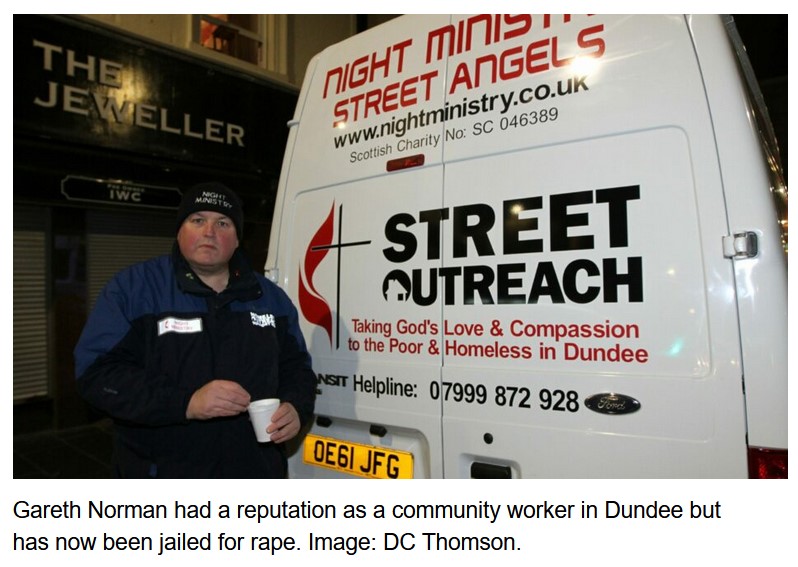
Norman, of Spence Place in Dundee, acted as the head of the city’s now defunct Night Ministry.
He was well-known for his work as a “street angel” distributing food and vital supplies to the city’s homeless population.
He previously held volunteer positions with the Royal Navy Reserve and as a first aider with the British Red Cross.
After a trial last month, Norman was convicted and remanded ahead of Thursday’s sentencing.
Following the preparation of background reports, father-of-five Norman was jailed and placed on the Sex Offenders Register for life.
Child at time of offences
He appeared at the High Court in Dundee via a video link from HMP Perth.
Solicitor advocate Iain Paterson stressed his client was a child at the time of the offending.
He said: “Mr Norman was convicted in relation to charges one, two, five and seven.
“In relation to the charges, charge one is a crime of lewd, indecent and libidinous behaviour on various occasions.
“There was an amendment to the date.
“The accused therefore would have been between 13 and 17 in relation to that charge.
“Charge two is the most serious of the charges, which was a single occasion.
“The accused would have been between the age of 13 and 15.
“Obviously, he was a child at the time of all of the offences.
“The complainers were between seven and 11 in charge one, eight and nine in charge two, 12 in charge five and 13 to 14 in charge seven.”
Low risk of re-offending
Turning to background reports, Mr Paterson said: “He’s assessed as low risk, effectively.
“In the intervening period, there were no other offences that have been committed.
“These are the only matters that he has ever been convicted of in his life.
“In my submission, the basis of any sentencing is punishment.
“There’s no issue of protection of the public.”
‘No remorse’
During the week-long trial, the High Court In Dundee heard evidence the rape victim’s character changed after her ordeal, becoming shy and withdrawn around her parents and family.
Judge Lady Drummond said: “I’ve read a victim impact statement from one of the girls and it’s clear to me from that your behaviour has had a lifelong and harmful effect on her.
“You are now aged 61, you have no previous convictions, you’ve been in employment most of your life.
“You’re assessed as a low risk of sexual reconviction and reoffending.
“You’ve accepted no responsibility and no remorse.
“For offences of this gravity, the only sentence that is appropriate is imprisonment.”
Reformed character after BNP past
Norman acted as the head of the Night Ministry in Dundee and also helped with the Coastwatch safety scheme.
Described in court as an “active member of the community”, the security guard had built a reputation as a born-again Christian in the city.
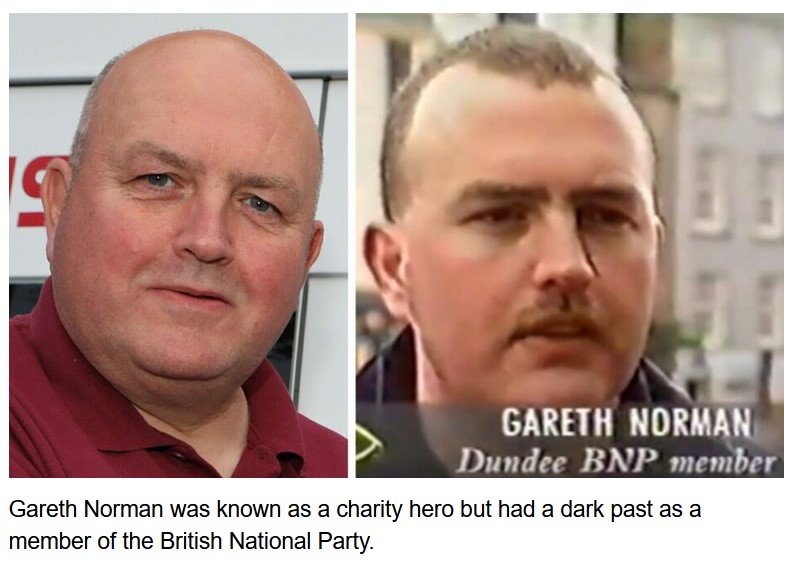
He had previously worked as an organiser for the British National Party, before standing as a candidate for Solidarity — the nationalist organisation set-up by convicted perjurer Tommy Sheridan.
 Far-Right Criminals